

How will you be a global catalyst for change? - Wyndham Hotel Group | Ignace Bauwens
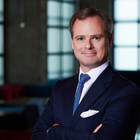
By Ignace Bauwens, Regional Vice President, Middle East and Africa at Wyndham Hotel Group
The ongoing digital revolution, emerging internet of things and advent of the sharing economy are having a profound effect on the way people do business across the world. It's high time they were seen as enablers, not disruptors, and hospitality investors, developers, owners and operators alike have the chance in 2017 to capitalise on these for future growth, profitability and success. In the lead up to the 2017 Arabian Hotel Investment Conference (AHIC), we asked a number of industry partners how they will be a global catalyst for change.
Despite the challenges of the last few years, political as well as economic, the MEA region has proven its resilience in many ways. The region remains dynamic with many opportunities for growth.
The evolving budgets of both leisure and business guests, together with an improved midscale and budget hotel offering, have created a lot of opportunity in the region. The increased number of people travelling to the MEA region (due to cheaper airfares and the growing connectivity of budget airlines to this region) means that we are seeing healthy growth within midscale and budget markets as well as at the luxury end.
But in this increasingly digital age, simply meeting guests' basic travel needs in terms of convenience and quality is not always enough. Visitors expect a fully connected, digital experience from placing a booking through to the moment they check out – or even beyond, when we consider elements of the guest's journey such as collecting loyalty points and leaving feedback or reviews after their stay. They demand a seamless experience at every touchpoint, and if a hotel doesn't deliver this – there's no doubt that guests will go elsewhere next time and the operator will lose out on valuable stays.
On the other hand, if operators do invest in the latest technology and systems in order to build this unified customer journey, they can expect to reap the rewards in terms of customer satisfaction and loyalty. A cloud-based central reservations and property management system, for example, helps hoteliers to effectively and efficiently manage daily pricing and inventory, resulting in a better experience for the end user.
A hotel's marketing and communications must also be outstanding in order to cut through the noise and encourage bookings versus their competitors. Websites should be responsive, allowing guests to check real-time availability and pricing, and they should give visitors a true flavour of the brand through its look and feel – whether that's ultra-luxury or a limited service hotel.
Of course all these elements of the customer journey must be mobile accessible too, through mobile-enabled websites or better still – an app for guests. Consumers are always on the go so want to be able to make, amend or check reservations easily from their phone, and a mobile app is the most convenient way for them to do this.
If operators take their guests' digital experience seriously and invest resource into getting it right, they will certainly see their visitor numbers grow from both new and repeat guests. Giving visitors a seamless journey from start to finish will ultimately create valuable brand advocates, meaning operators' investment in the most up to date technology is worth its value multiple times over.
Anne Bleeker
In2 Consulting FZE
+971 56 6030886
MEED